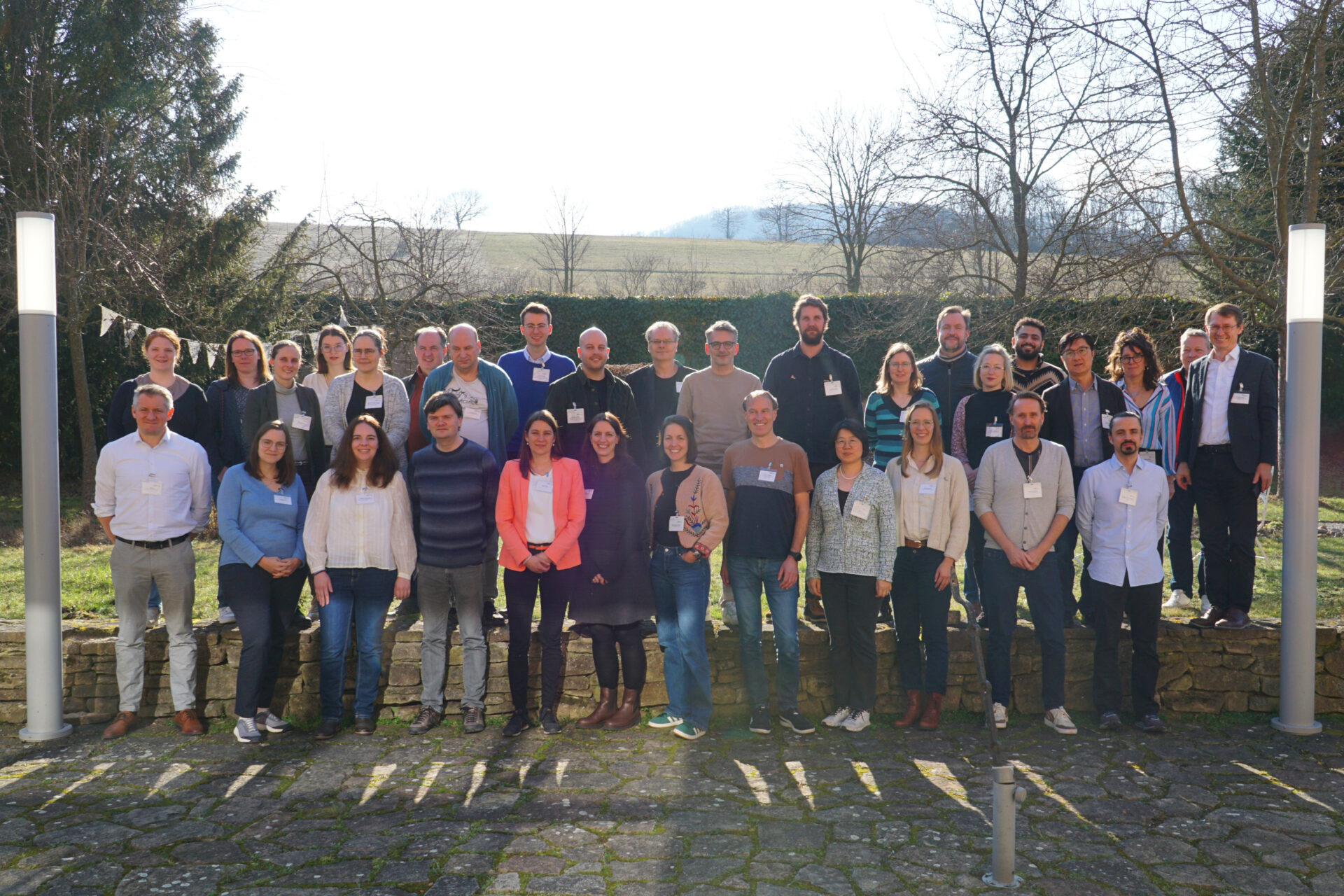
We had another fantastic TRAIN Omics Retreat 2026 at Drübeck Monastery this year!
From March 3 to 4, 2026, researchers and experts from all over Lower Saxony met at the 3rd TRAIN Omics Retreat, held at Drübeck Monastery. With the theme “Towards High-End Omics: Latest Technologies, AI & Shared Infrastructure,” attendees engaged in intensive discussions about new technologies, data analysis and shared research infrastructures.
The retreat began with a strategic update on the development of TRAIN Omics by Dr. Sara Haag from the Hannover Unified Biobank. It became clear that establishing sustainable, networked omics infrastructures is a central building block for future biomedical research.
The first day focused on the planned ExTENd (Expertise & Technology Exchange Niedersachsen) project, which aims to strengthen the exchange of technologies, expertise, and infrastructure within Lower Saxony through a central digital platform. During a discussion with TRAIN representatives from Hannover, Göttingen, and Braunschweig, the importance of coordinated infrastructures for efficiently accessing highly complex omics technologies was emphasized.
Leading researchers then presented current developments in central omics disciplines. Dr. Ahmed Hassan (Hannover Medical School) presented new high-end genomics technologies and Dr. Christof Lenz (Göttingen University Medical Center/Max Planck Institute for Multidisciplinary Sciences) discussed modern proteomics approaches. Prof. Dr. Karsten Hiller (Technical University of Braunschweig) complemented the program with a presentation on current advances and applications in metabolomics, underscoring the diversity of modern omics methods.
Additionally, Dr. Nils Marsch and Dr. Elie Fux from Roche Diagnostics Deutschland GmbH presented the optimized cobas Mass Spec device as a complete solution in mass spectrometry and discussed Roche’s research in standardization.
A special moment of the retreat was the change in TRAIN management. Prof. Dr. Ulrich Kalinke officially handed the responsibilities over to Dr. Sara Haag. This transition is an important step for the future development of the TRAIN network and its role as a platform for the exchange of ideas between life science research institutions in Lower Saxony.
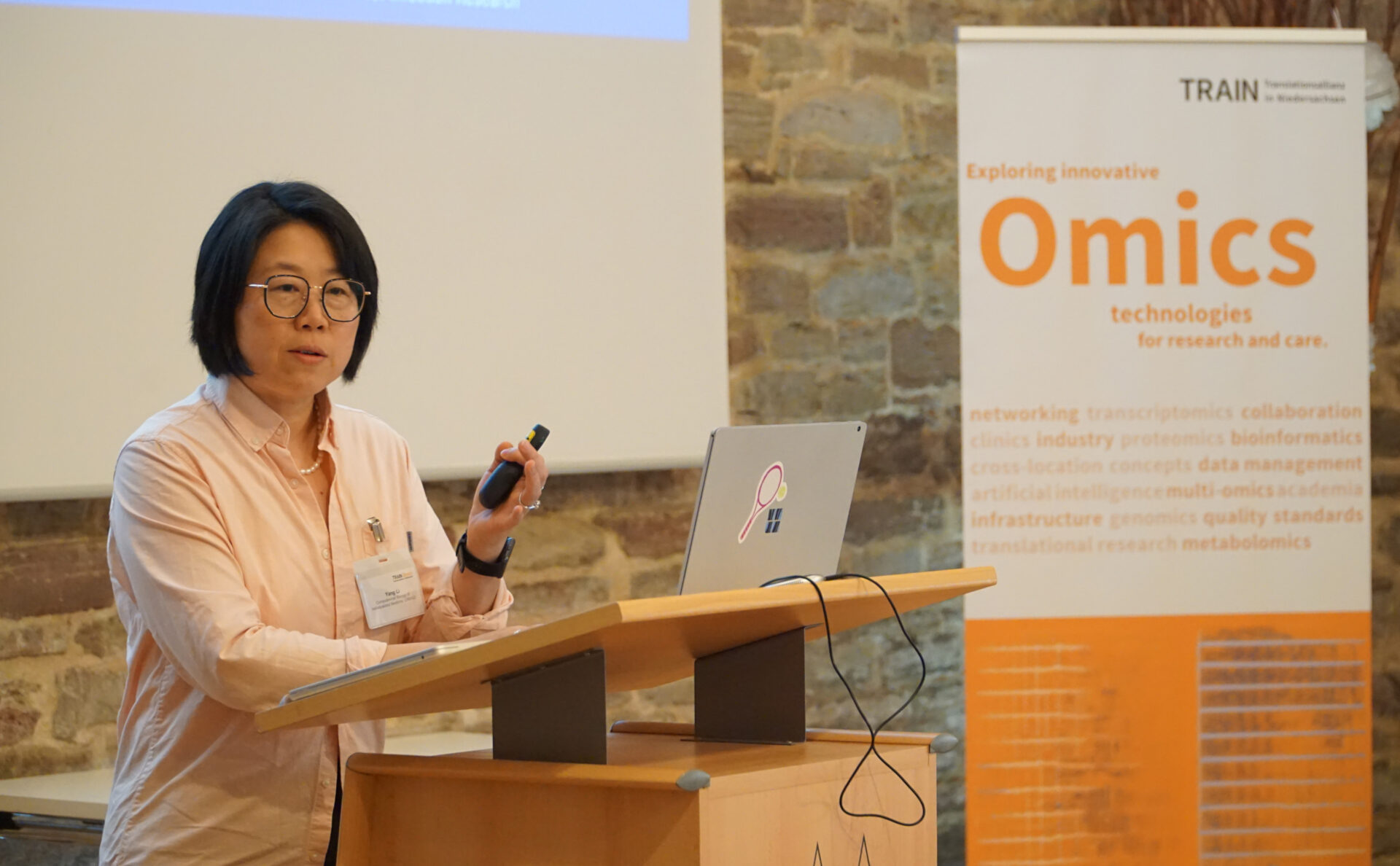
On the second day of the event, the focus shifted from classic omics approaches to new sample models and data-driven methods. Dr. Kristin Metzdorf (Helmholtz Center for Infection Research) demonstrated how automated organoid systems, with the help of robotics, can increase the reproducibility of experimental research. Then, Prof. Dr. Yang Li (Center for Individualized Infection Medicine) presented AI-based big data approaches that provide new insights into immune aging and infection processes. The session concluded with a talk by Prof. Dr. Gavin O´Connor and Prof. Dr. Thomas Naake (National Metrology Institute, PTB), who reported on the latest developments in quantitative metabolomics on the path to clinical diagnostics, as well as the role of AI in this process.
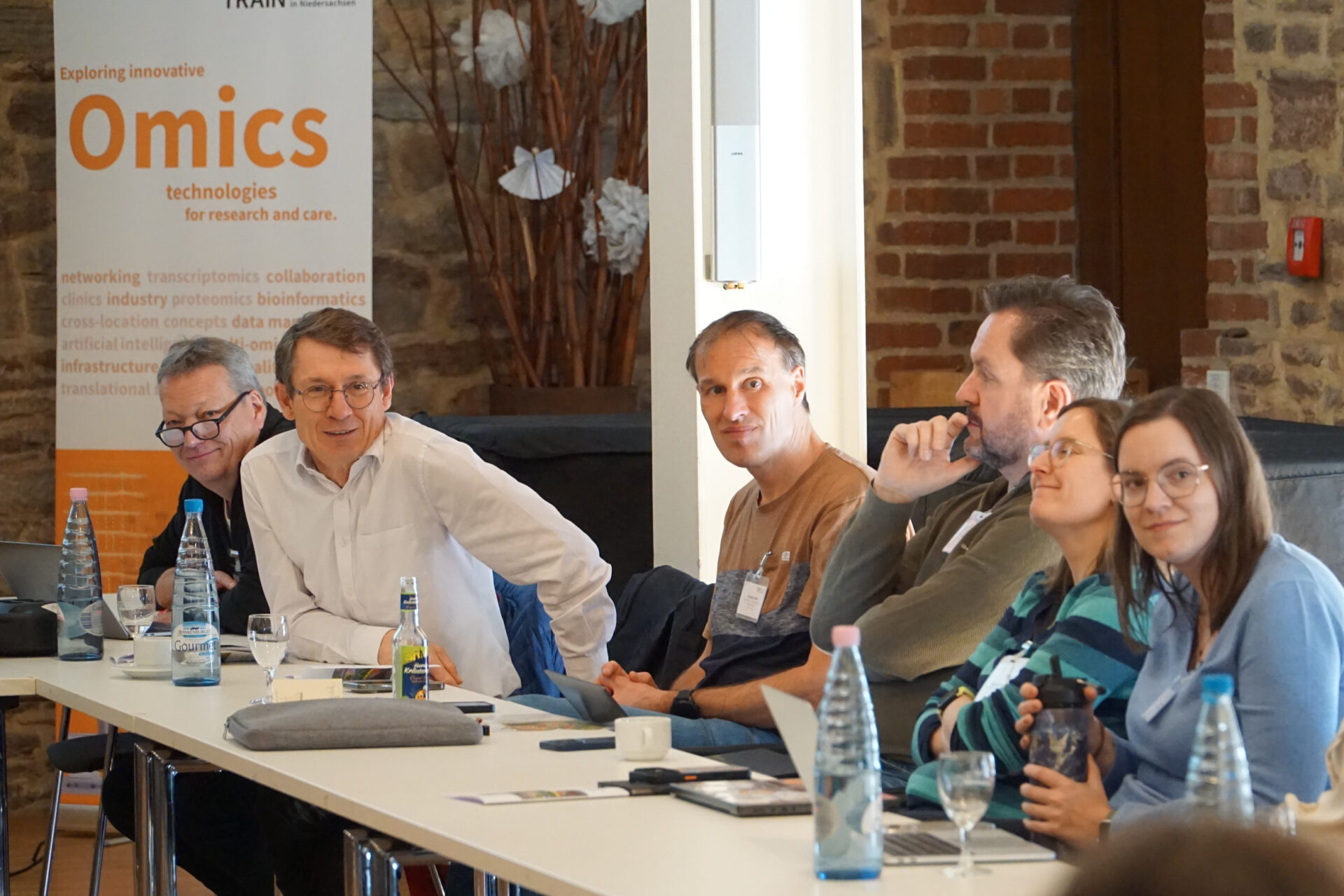
Finally, participants discussed what scientific, technological, and infrastructural requirements will be necessary to strengthen high-end omics research in Lower Saxony in the future. The open exchange demonstrated the value of interdisciplinary networking and shared infrastructure for scientific progress.
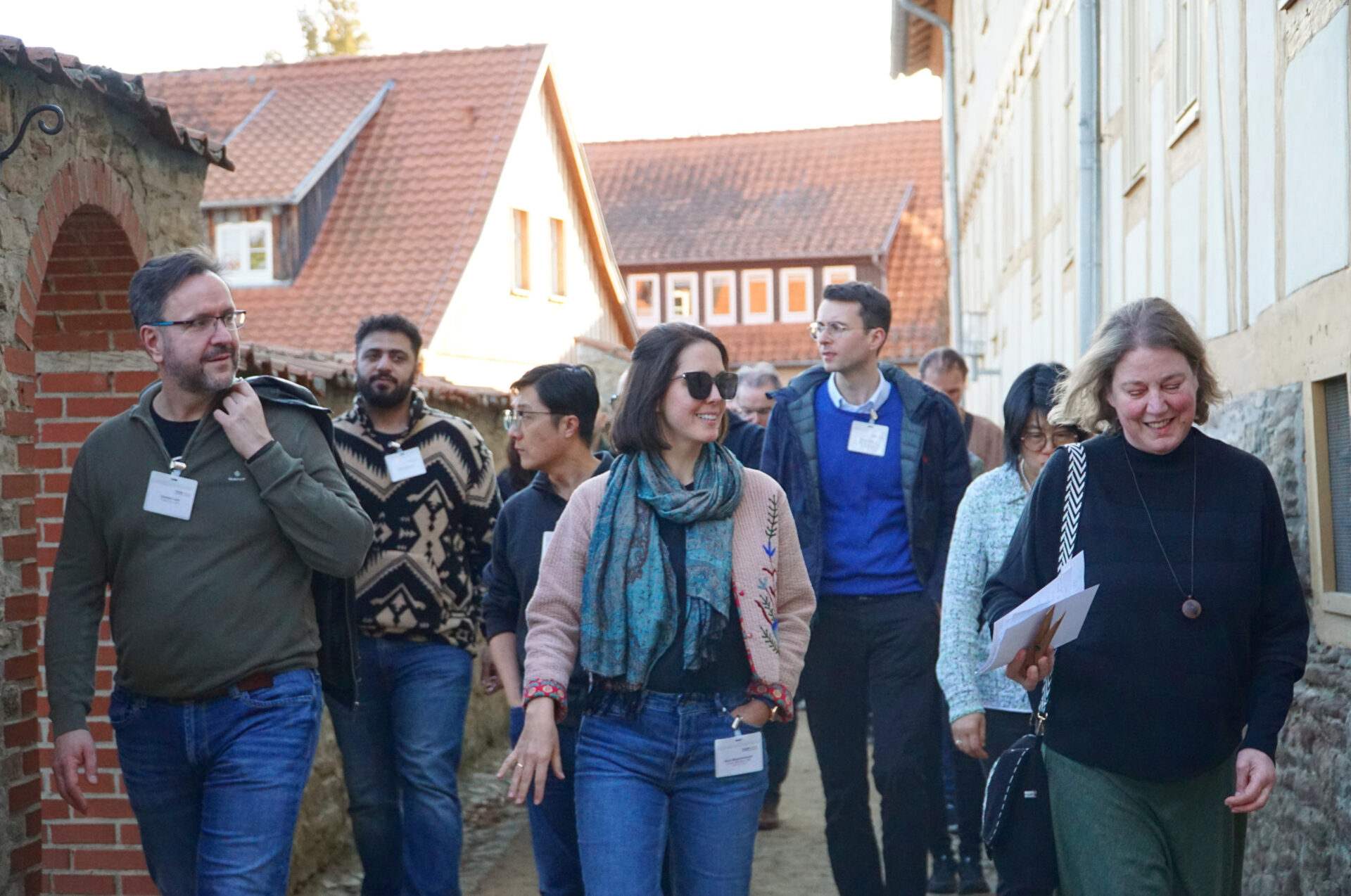
A particular highlight of the TRAIN Omics Retreat was the guided tour of the village of Drübeck, which concluded with a musical performance in the monastery church. We would like to extend our warmest thanks to the Ilsenburg Tourist Information Office for this.
We would like to thank all speakers and participants for two inspiring days full of scientific ideas, intensive discussions and new perspectives on omics research.