TRAIN Academy
Flex Programme 2026 / 2027
Your individual translation journey !
In the part-time curriculum “Translational Research & Medicine: From Idea to Product”, you will gain an overview of the necessary steps and measures that lead from a discovery in the lab to a product for medical use. Regulatory frameworks and the basics of quality management are covered, as well as the different product categories and phases of product development. In addition, seminars on methodological skills complement the training program. More than 70 experts provide practical and vivid insights into all areas of translational health research. Benefit in the long term from your participation in the TRAIN Academy and become part of our network!
The TRAIN Academy is the right place for you if you:
The curriculum is a part-time continuing education program. It is not funded as a training measure by the German Employment Agency.
Angela Bortenreuter
Prof. Dr. Ulrich Kalinke
Spokesperson TRAIN Academy
Christiane Bock von Wülfingen
Concept TRAIN Academy
Goals of the continuing education program
There are only a few continuing education and qualification programs available for scientists interested in translation, especially those in the early stages after completing their doctorate. The TRAIN Academy is one of the most unique programs available. Our comprehensive curriculum covers all stages of development, from the initial idea to the final product. We teach skills that are essential for translational health research. You will learn to systematically evaluate the potential of new medical procedures or products for medical application and commercialization.
Participation in the TRAIN Academy brings you into direct contact with experts from the relevant fields and offers you the opportunity to network with key players in translational health research in the region.
The TRAIN Academy supports you in finding your way in the field of translational health research and developing the right career path for you. Our continuing education program qualifies you as a competent contact person for translational issues in your institutions and supports your methodological and personal development.
Target audience
The TRAIN Academy is a part-time continuing education program. It is aimed at PhDs in natural sciences, medical professionals, and employees in the pharmaceutical industry or the healthcare sector. PhD candidates in natural sciences or medicine who are nearing completion of their doctoral thesis can also benefit from participating. The curriculum is designed as a part-time continuing education program. It is not recognized as a continuing education measure by the Employment Agency.
Curriculum Content
The curriculum “Translational Research and Medicine: From Idea to Product” is divided into four subject areas, guiding you through the stages of the translational development process.
I. Product Idea and Quality Assurance
Every product development begins with a discovery. For this discovery to lead to a product that can eventually be used in patient care, it must first be protected. There are many aspects to consider in protecting discoveries: Module 1 explains the essential first steps
Module 2 covers the quality assurance measures that must be followed throughout product development
II. Product Categories
Product development differs greatly depending on the product category:
Traditional drugs often consist of small, structurally simple molecules (“small molecules”). Highly innovative biological drugs, such as monoclonal antibodies, vaccines, or gene and cell therapies, are called “biologicals”. Devices and components such as implants, tissue-derived implants, or pacemakers fall under medical devices. Monoclonal antibodies are also considered separately due to their increasing relevance. Finally, vaccines used for prevention are discussed. These five distinct product groups are covered in Modules 3–7:
III. Product Development
To gain market approval for new products, authorities require data on quality, preclinical, and clinical research. But what exactly must be considered when planning such development programs? This is addressed in Modules 8–10:
IV. Methodological and personal development, support structures and current trends
Simply knowing the processes isn’t enough! You must have additional skills to be able to apply the knowledge you’ve acquired within the complex structures of translational teams. It’s also important to be familiar with key players in the field of translation and transfer. Modules 11–13 focus on these aspects:
This module includes a variety of keynote lectures that provide in-depth training on current topics and practical applications in the field of translation. Anyone interested is cordially invited to attend the keynote lectures as part of the Open Academy.
As a supplement to the many lectures, Module 14 provides concrete insights into real-world practice. During a 4-day internship, participants broaden their perspective in the field of translational research and medicine. The new insights and contacts gained can be used to further develop their own work or career.
This module cannot be booked individually through the Single Modules program and is only recognized as part of the Flex Pass.
Program Scope
The TRAIN Academy program for the 2026–2027 academic year is designed to last one year. The total curriculum comprises approximately 250 hours. There is no minimum number of hours required; however, students must attend at least 80% of the sessions in a module for that module to be listed on the certificate or certificate of attendance.
Two Flexible Ways to Participate
For the 2026–2027 academic year, there are two possible ways to participate in the TRAIN Academy program.
FLEX PASS
Flex Pass is characterized by the following:
- Flexible access to the entire TRAIN Academy program from Januar to December 2027
- Free choice of the modules that best fit your translational development path
- Perfect for people with a broad interest in translation
Please note:
- Modules are included on the certificate of completion if at least 80% of the courses in the respective module have been completed
Pricing Overview Flex Pass
For Participants of:
SINGLE MODULES
Single Modules are characterized by the following:
- Book individual modules as needed
- Tailored to specific interests or individual areas of expertise
- Perfect for those with limited time or who are looking for focused professional development
Please note:
- A certificate of participation will be issued if at least 80% of the courses in the respective module have been completed
Pricing Overview Single Modules
For Participants of:
Compact module (up to 6 hours) = 300 € per module
Standard module (more than 6 and fewer than 15 hours) = 500 € per module
Extended module (more than 15 hours) = 700 € per module
More information about the individual modules, their scope and how to register for them will be available soon!
Open Academy
In addition to the regular TRAIN Academy program, which is reserved for registered participants, selected events are open to interested professionals. These are marked in the program with the notation “Open Academy”.
All interested parties are invited to participate in these selected Open Academy events. Registration may be required. For participants with the TRAIN Academy Flex Pass, individual Open Academy events may count toward the certificate.
News


TRAIN Academy at a Glance
Partner
In addition to scientific and medical perspectives, the TRAIN Academy incorporates contributions from industry, government agencies and the fields of technology transfer and development. This provides participants with insights into specific requirements, decision-making processes and implementation pathways throughout the biomedical translation process.



APPLICATION
To register for the Flex Pass program we need:
Send both via email to academy@translationsallianz.de
Still have questions? Contact us for more information!
More information about the individual modules, their scope and how to register for them will be available soon!
Contact Person
Angela Bortenreuter
+49 511 22002 7116
academy@translationsallianz.de
TRAIN Academy Testimonials
In our testimonial videos, participants and lecturers share their personal experiences with the program: What they’ve learned, how it enriched their work, and why the TRAIN Academy is a key step in translating medical innovations. Get inspired and discover how the TRAIN Academy can advance your career, too!
Personal interactions are important
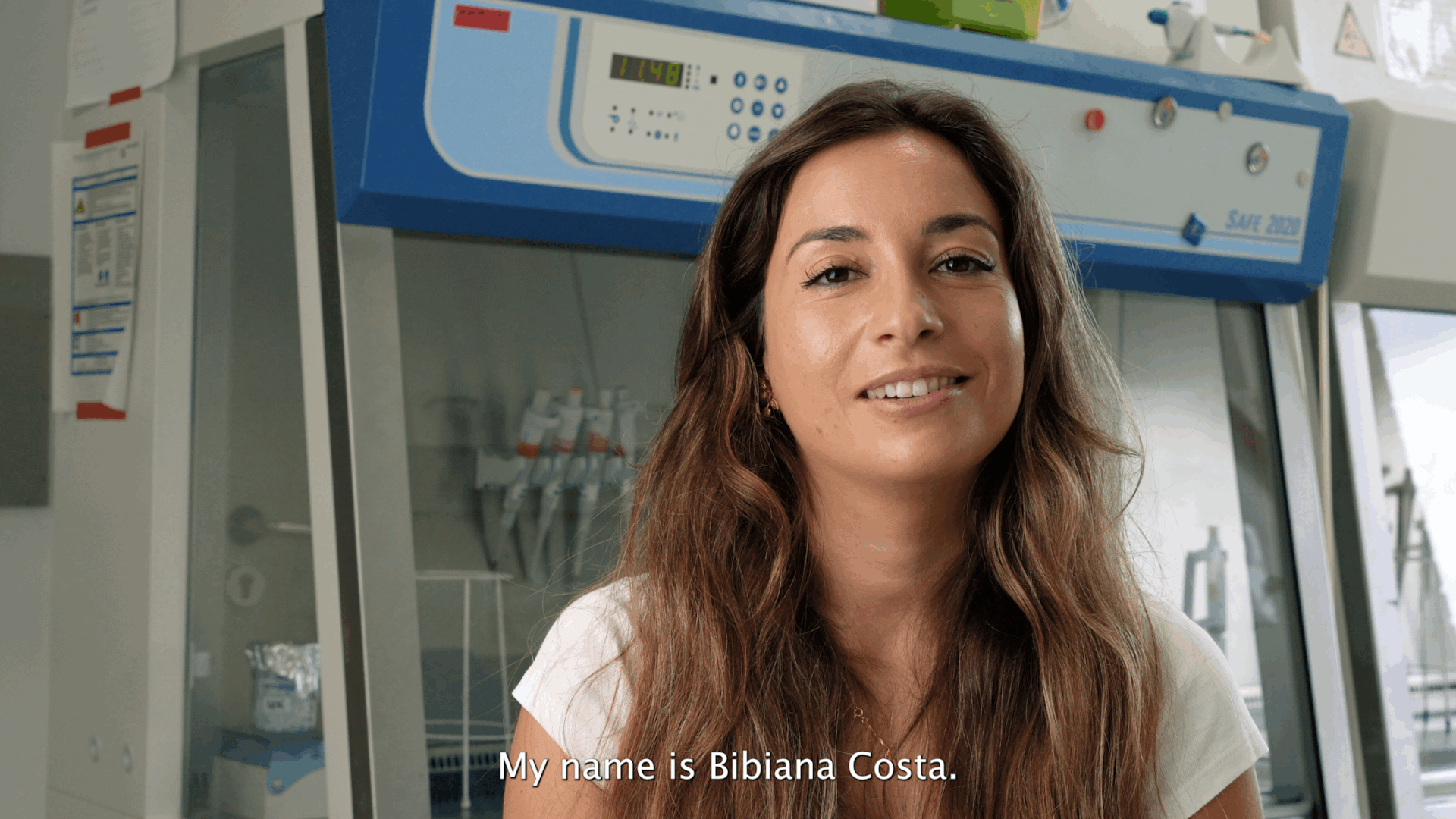
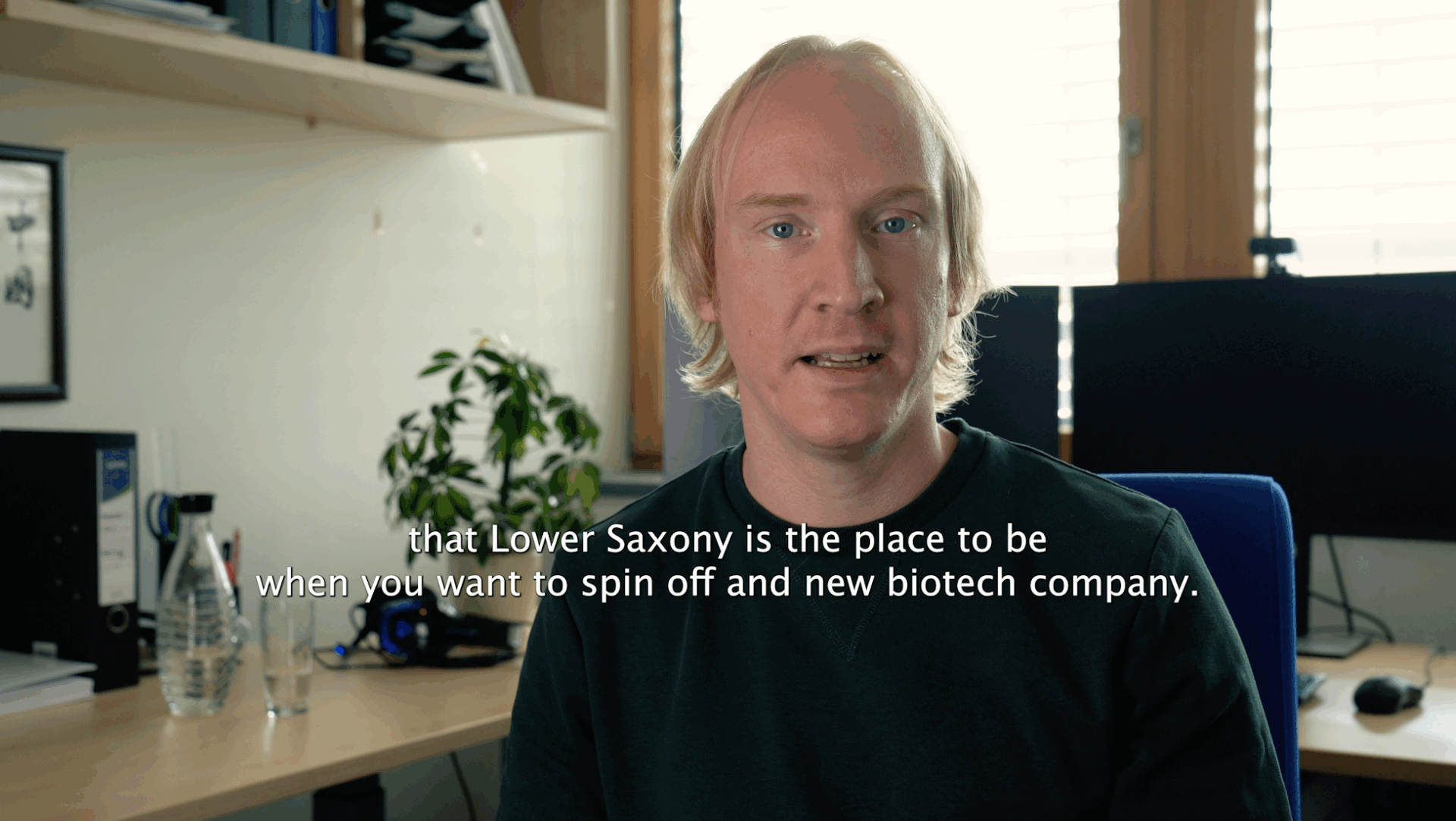
Dr Bibiana Costa was a doctoral student at TWINCORE when she took part in the TRAIN Academy. On the one hand, she was able to acquire theoretical knowledge in new areas during the training programme, which expanded her specialist knowledge from her doctoral thesis at TWINCORE. On the other hand, she appreciates the contact with the experts at the TRAIN Academy and the opportunities for direct dialogue that the training offers.
From the lab to the patient and beyond
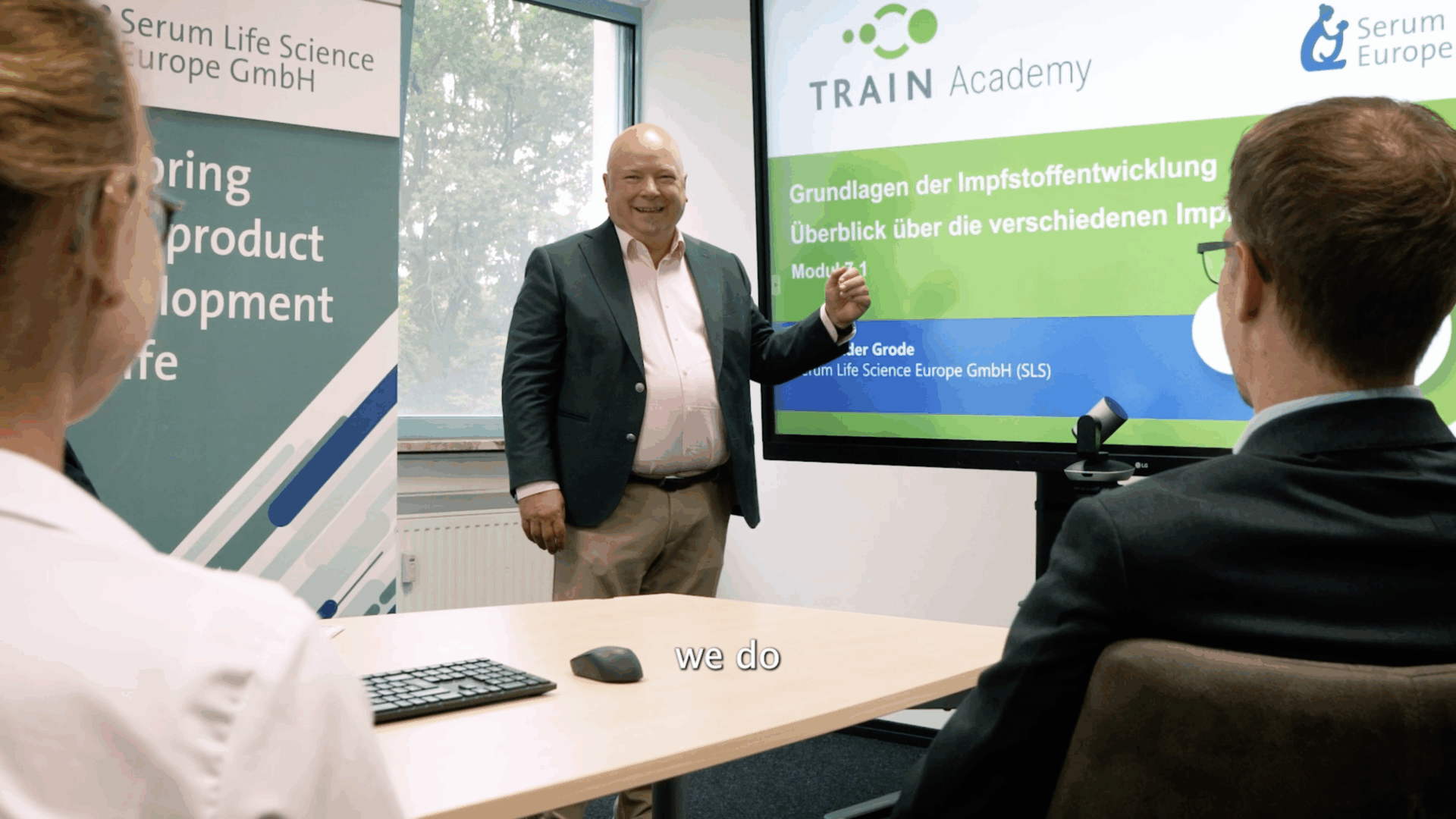
Dr Leander Grode is CEO of Serum Life Sciences Europe, a subsidiary of the world’s largest vaccine producer Serum Institut of India. As a lecturer at the TRAIN Academy, he teaches the most important aspects of vaccine development and how developments from the laboratory find their way to the patient. He also knows what makes TRAIN Academy graduates sought-after candidates for jobs in the pharmaceutical industry.
Translation and transfer right from the start
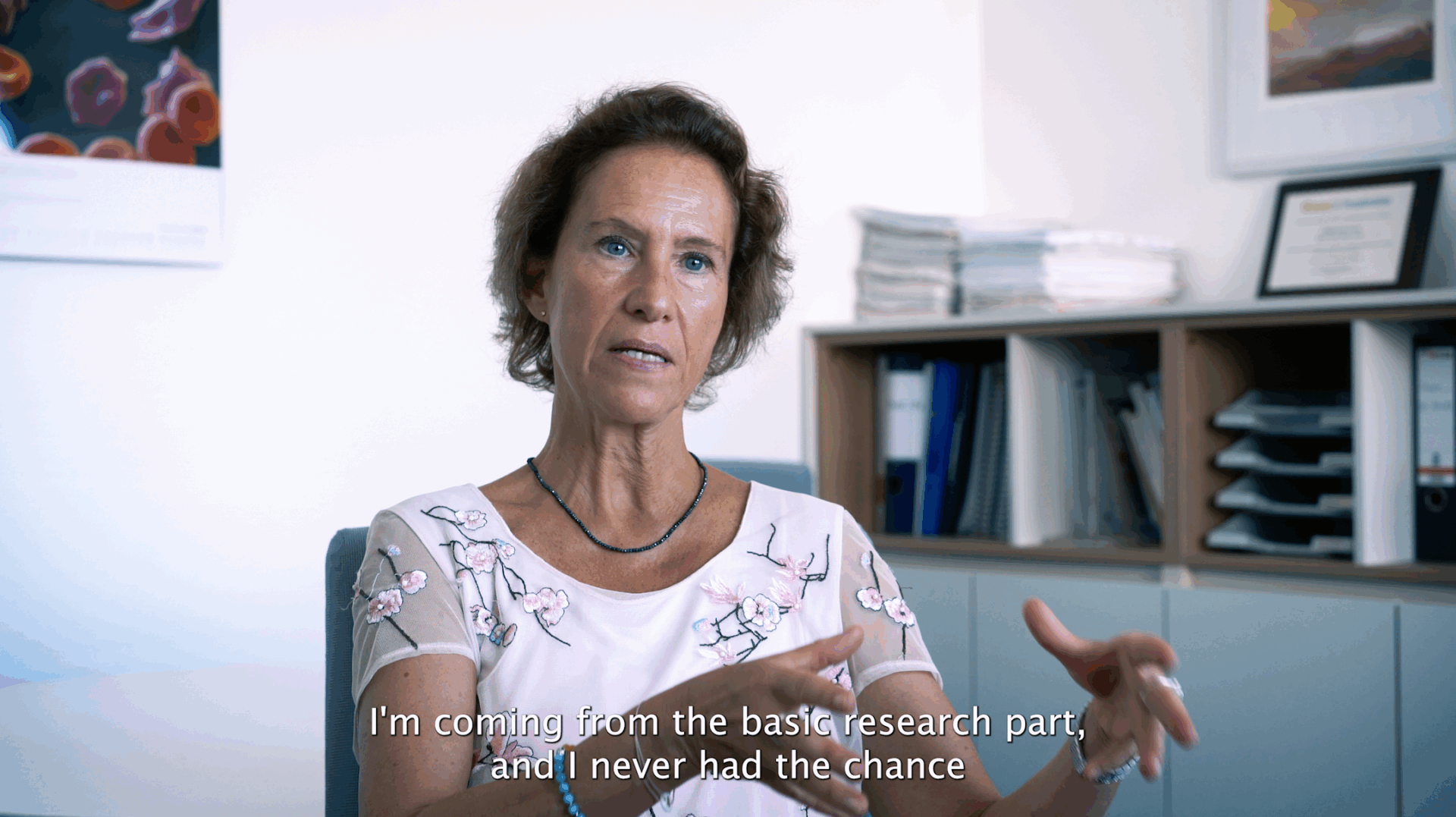
Prof Christine Falk heads the Institute of Transplantation Immunology at Hannover Medical School. As a lecturer at the TRAIN Academy, she passes on her knowledge of new technologies in the field of immunomonitoring, as immunological processes play an important role in vaccinations or cancer therapy. She finds it particularly important that young researchers today learn to plan translational aspects into their projects from the outset.
More than in biology studies
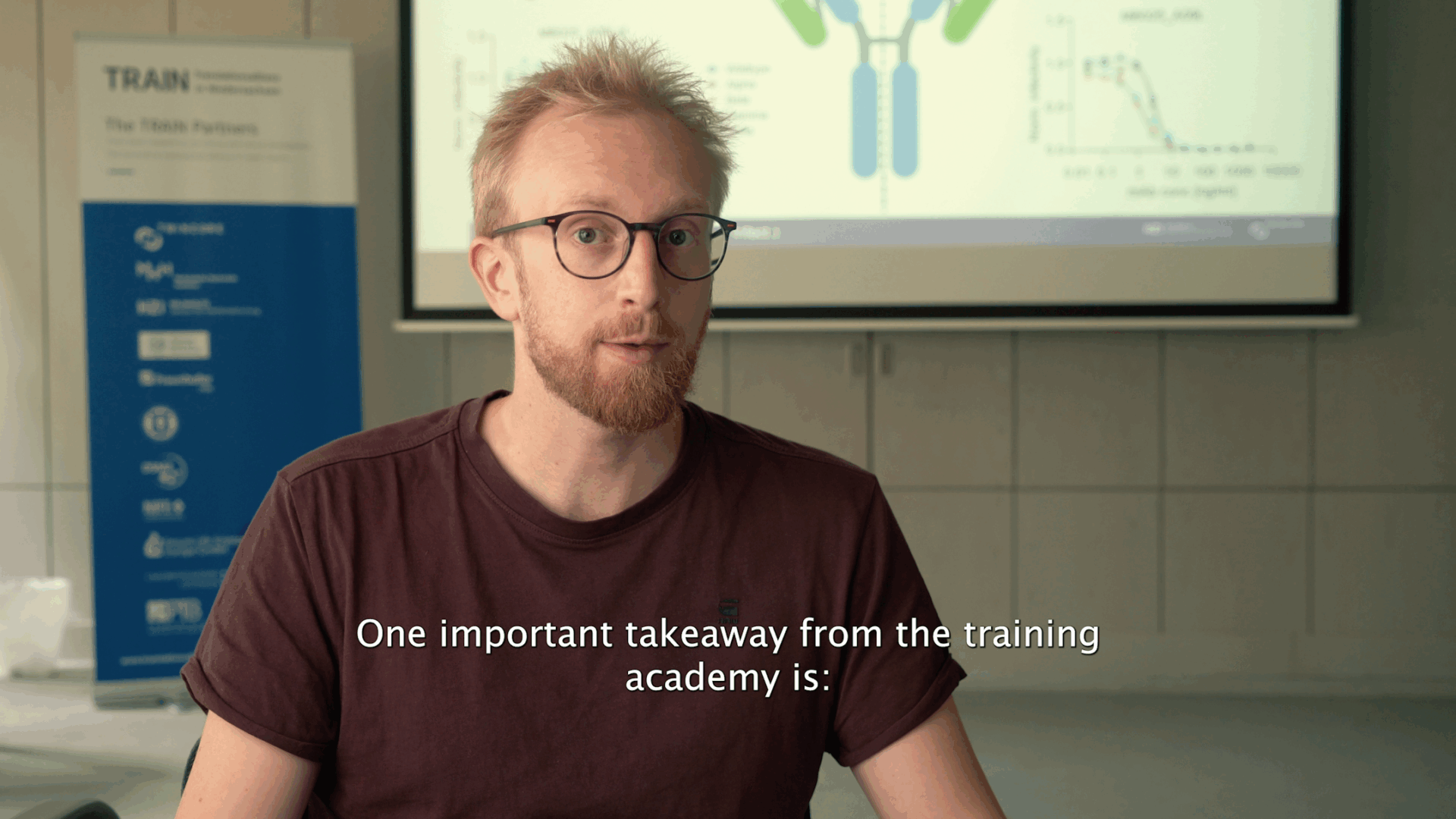
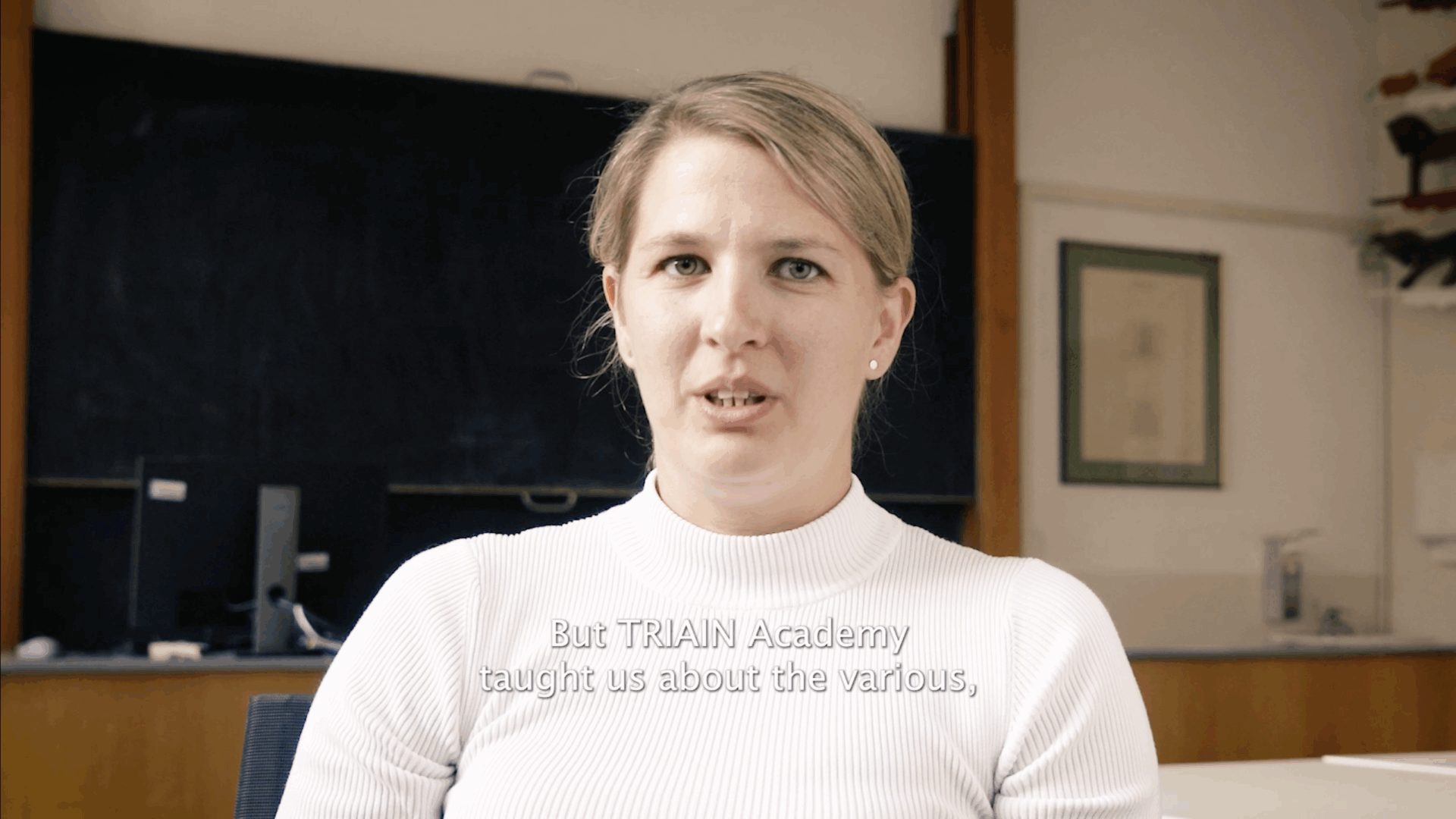
Dr Matthias Bruhn is a postdoctoral researcher at TWINCORE and is developing monoclonal antibodies against infections such as SARS-CoV-2. In order to develop a commercial product from this research project, he needed special knowledge that he did not learn in his biology studies. He therefore took part in the TRAIN Academy’s training programme, where he learned, among other things, how patents work and which regulatory aspects need to be considered in product development.
Getting to know translational processes
Veterinarian Dr Cornelia Schwennen is investigating how insects can be used as animal feed at the University of Veterinary Medicine Hannover Foundation. The aim is to develop a concrete product from this research. At the TRAIN Academy, she learnt how to plan and implement such a translational project. She also learnt about the options for obtaining funding for her work.
Making contacts and learning from others
Dr Henning Jacobsen is developing concepts for vaccines that induce long-lasting immunity at the Helmholtz Centre for Infection Research in Braunschweig. At the TRAIN Academy, he learnt what steps are necessary to develop these into a market-ready product. He was able to expand his network and establish contacts with experts who have already successfully realised the step from laboratory to application. The exchange with other scientists who are also about to launch a spin-off also helped him a lot.
Lecturers Modules 1-6

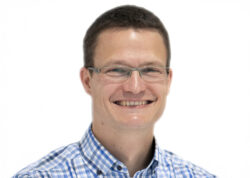
Prof. Dr. Mark Brönstrup studied chemistry and obtained his PhD from the TU Berlin in 1999. He joined Aventis in 2000 as a lab head for mass spectrometry and spent a research sabbatical with S. P. Gygi at Harvard Medical School in 2003. Between 2005 and 2010, he was leading the Natural Products Science section at Sanofi Aventis in Frankfurt. Between 2010 and 2013, he was managing sections dealing with biomarkers, bioimaging & biological assays. Since December 2013, he has been head of the Chemical Biology Department at the Helmholtz Centre for Infection Research in Braunschweig and W3 Professor at the University of Hannover. His research is focused on the discovery, the characterization and the optimization of novel antiinfective drugs.






Lecturers modules 7-13
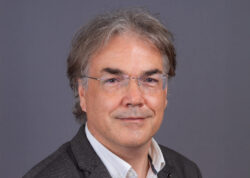
Dr. Sandor Batkai is a freelance drug development consultant and co-founder of Cardior Pharmaceuticals GmbH in Hannover, Germany, which was successfully sold to Novo Nordisk in 2024. He is a recognized expert in preclinical drug development in the cardiovascular field, with a focus on the pharmacology of oligonucleotides and RNA therapeutics.
With over 150 publications in high-ranking scientific journals, Dr. Batkai is one of the leading internationally recognized translational researchers. Before joining the biotech industry, he headed the Cardiovascular Phenotyping and Translational Strategies research group at the IMTTS of the Hannover Medical School. Previously, Dr. Batkai worked for over 10 years at the US National Institutes of Health (NIH) in Bethesda, where he headed the Cardiovascular Phenotyping Core Facility.