
Artificial intelligence has become a standard tool in research, supporting everything from literature reviews to data analysis and text generation. At the same time, its use raises important legal questions that are often overlooked.
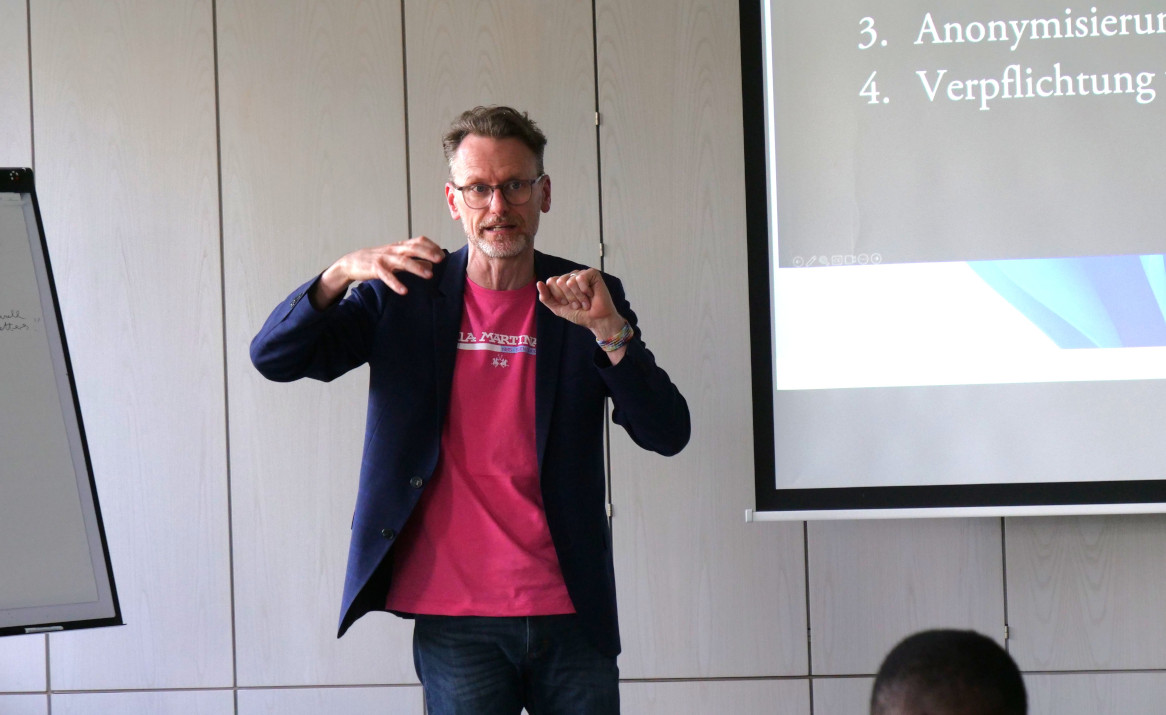
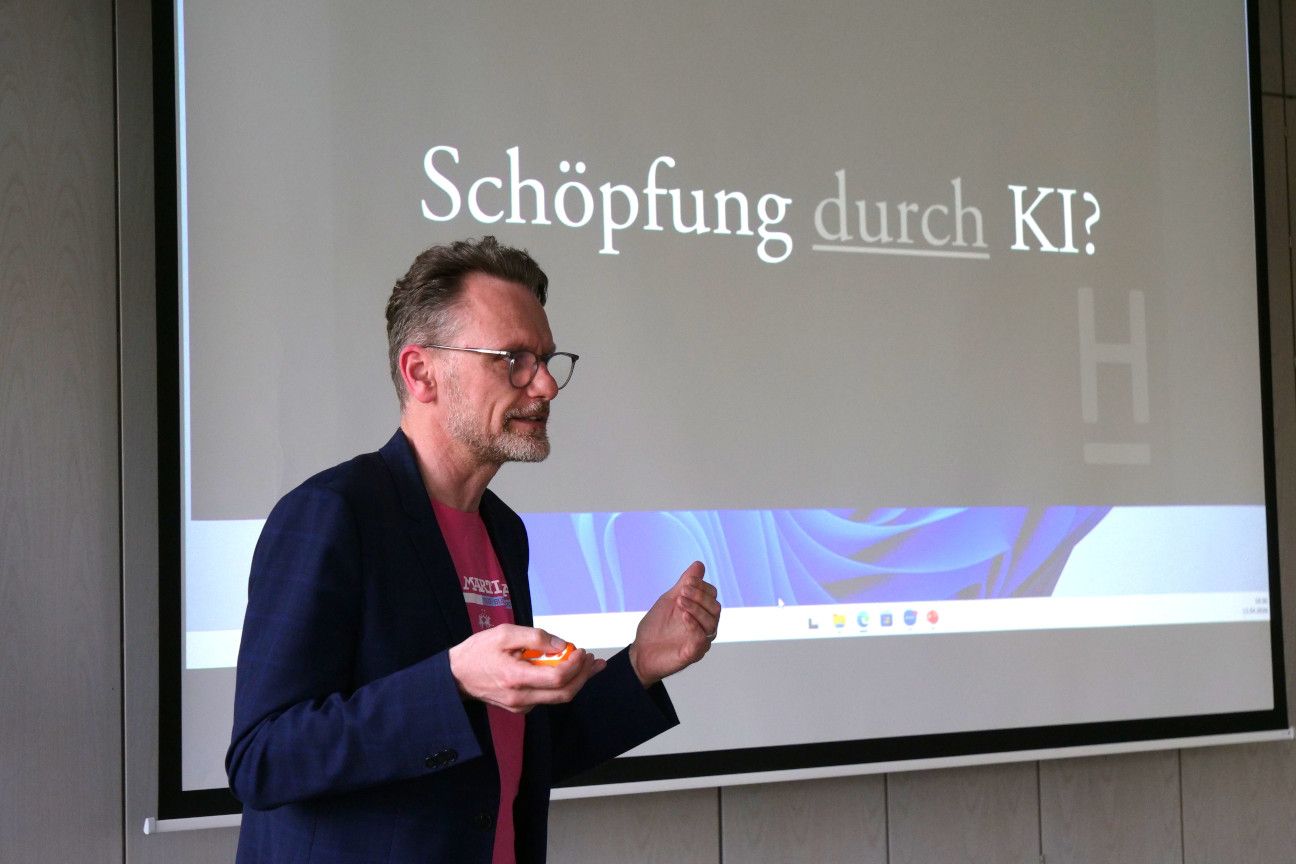
In our TRAIN Academy Keynote Lecture Professor Fabian Schmieder from Hannover University of Applied Science and Arts helped us to gain a better understanding of the legal implications of using AI.
Here are a few key insights from the lecture:
🔍 Researchers are typically considered users, not providers.
This distinction significantly reduces regulatory obligations when using established AI tools such as ChatGPT or similar systems.
🔐 Data protection remains a central issue.
Pseudonymized data is still considered personal data under GDPR if re-identification is possible. In particular, sensitive data (e.g., health data) requires a clear legal basis and additional safeguards.
📚 Copyright law differentiates between input and output.
Using copyrighted material as input can be permissible under certain conditions, especially if it is only processed temporarily and not used for training.
At the same time, AI-generated outputs generally do not qualify for copyright protection unless there is sufficient human creative contribution.
⚖️ The EU AI Act introduces a risk-based framework.
Many research applications fall into lower-risk categories. However, certain practices — such as emotion recognition in workplace or educational settings — are explicitly prohibited, including in research contexts.
🧠 Human responsibility remains essential.
Researchers are expected to review and validate AI-generated results. Liability continues to be linked to human oversight, particularly in high-impact scenarios.
Our conclusion:
The legal environment for using AI in research is complex but manageable. Compliance primarily requires awareness of data protection rules, intellectual property considerations, and the boundaries set by the EU AI Act.
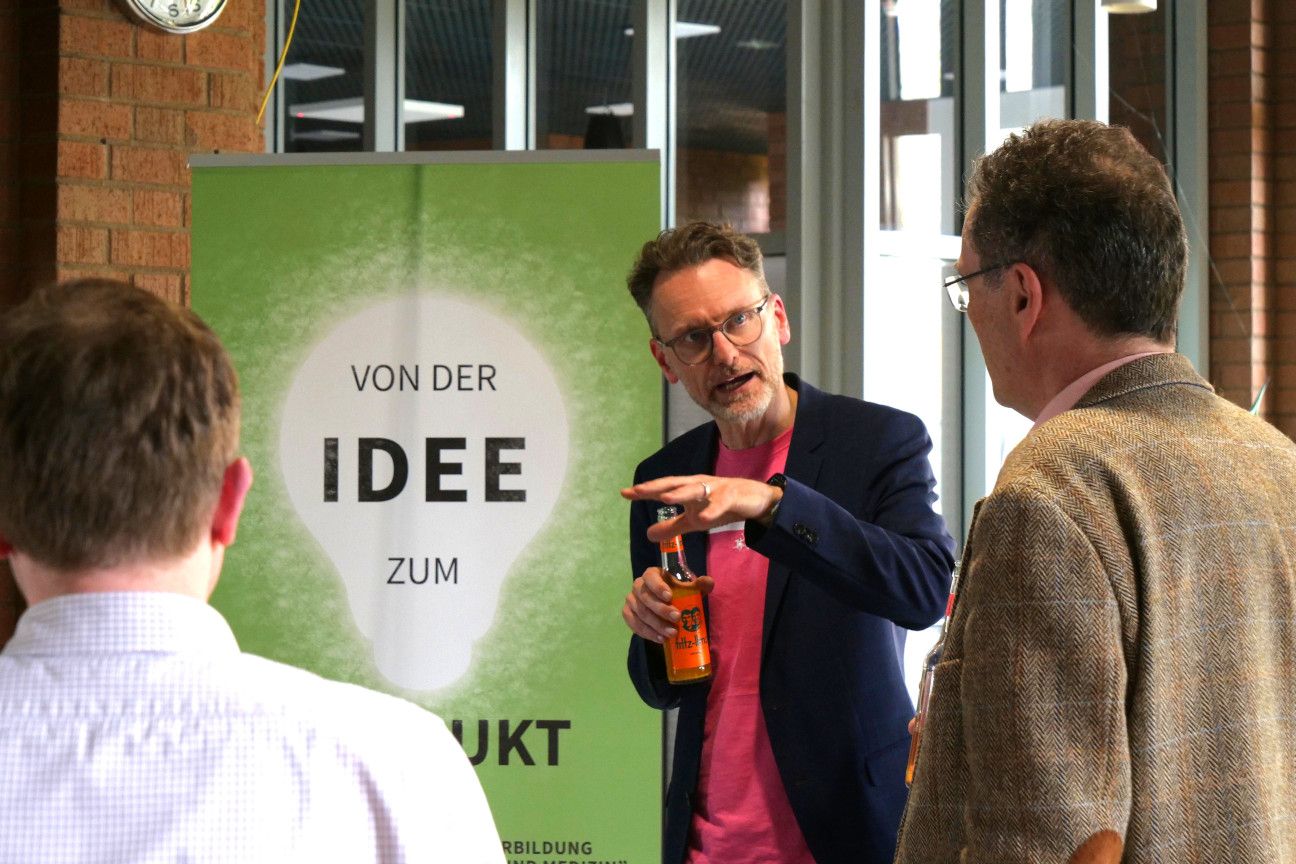
Thank you, Prof. Schmieder and thank you to everyone who participated and asked questions, also at the get-together after the lecture. This is exactly how we imagined the exchange with our participants.